ACCESS - Low-carbon urban mobility across Latin America

Accelerating Access to Low-Carbon Urban Mobility Through Digitalisation

ACCESS works with cities and countries across Latin America and the Caribbean to accelerate the transition to inclusive, low-carbon urban mobility. Using digital technology as a catalyst for change, the programme supports smarter transport systems that reduce emissions, improve mobility and enhance quality of life.

5Countries
10Cities
Knowledge to action

Active city hubs:

    Visit country page →

    Accelerating Access to Low-Carbon Urban Mobility Through Digitalisation

    ACCESS works with cities and countries across Latin America and the Caribbean to accelerate the transition to inclusive, low-carbon urban mobility. Using digital technology as a catalyst for change, the programme supports smarter transport systems that reduce emissions, improve mobility and enhance quality of life.

    Countries
    0
    Cities
    0

    Knowledge to action

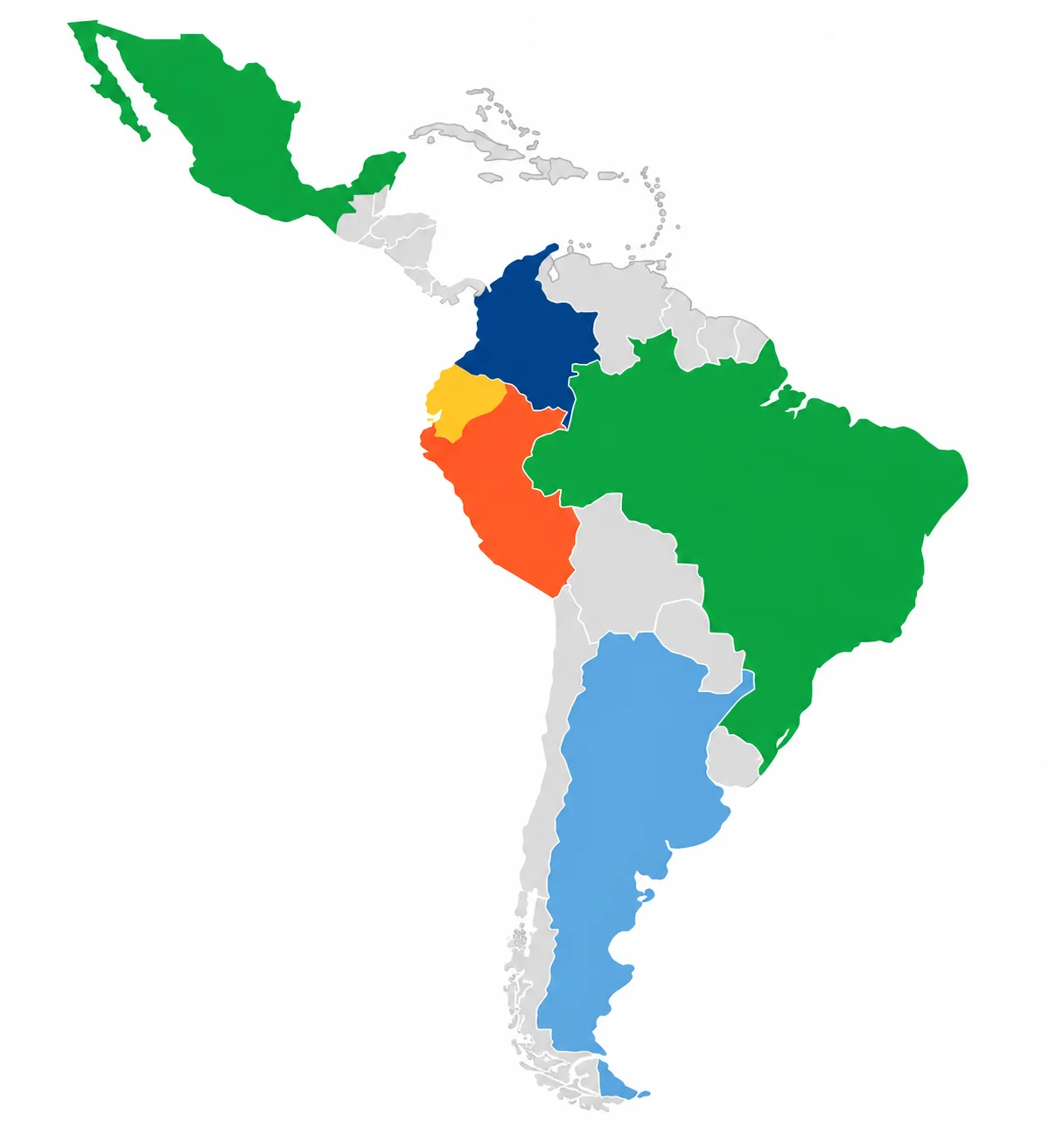
    Mapa ACCESS LAC

    Active city hubs:

      Visit country page →

      ACCESS is accelerating the transition to cleaner, more accessible and resilient transport systems across Latin America and the Caribbean.

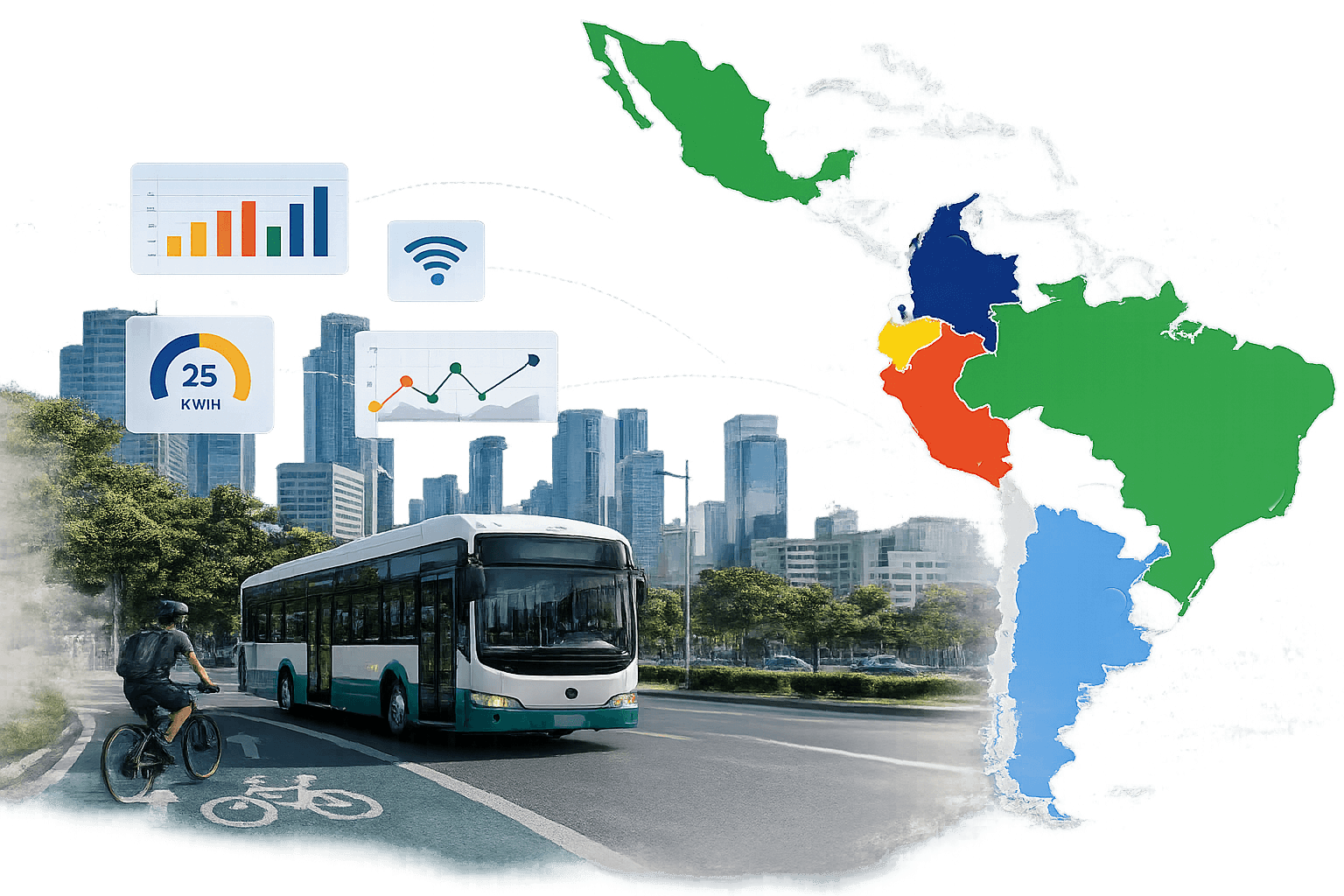
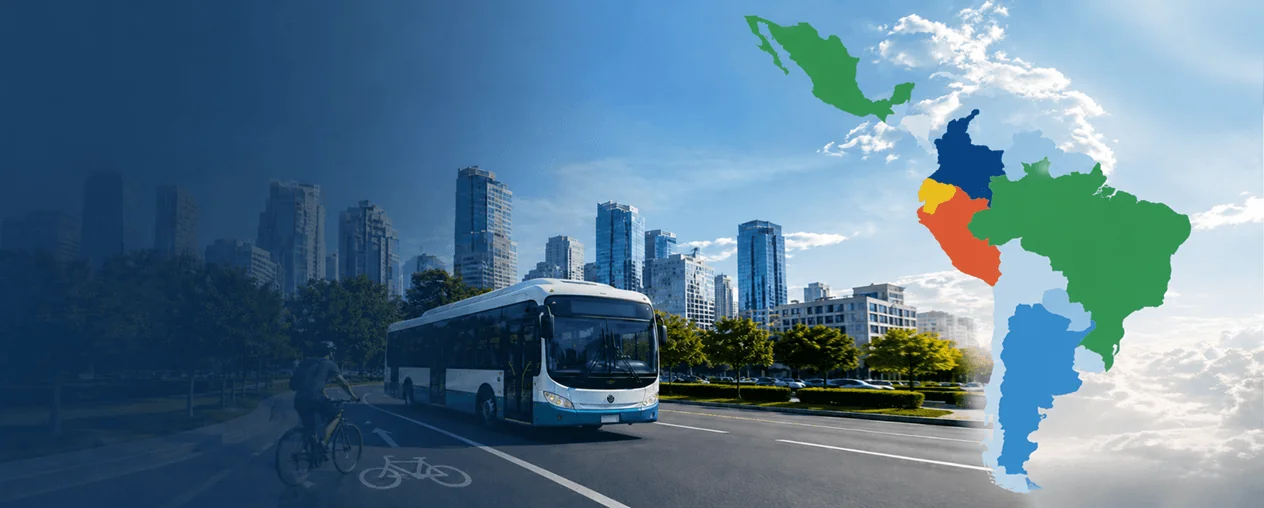
      Operating in Argentina, Brazil, Colombia, Ecuador, Mexico and Peru, the programme brings together national and city stakeholders to address transport emissions, one of the region’s largest sources of greenhouse gases.

      Through digital innovation, ACCESS supports practical actions that avoid unnecessary travel, shift journeys to low-carbon modes such as public transport, walking and cycling, and improve the efficiency and sustainability of transport systems. These measures reduce emissions while enhancing mobility and urban quality of life.

      The programme also connects knowledge, learning, implementation, policy and regional exchange, enabling experience from one city or country to inform and scale action across the region.

      ACCESS across Latin America

      Digital solutions for urban logistics, parking and loading management, and mobility data dashboards. Activities focus on using data to improve planning, reduce emissions, strengthen local capacities, and support replication through policy dialogue and collaborative design.

      Advancing digital mobility tools for public transport, traveller information, data collection, performance monitoring, and active mobility. Country activities combine pilot design, validated methodologies, capacity building, and city-level strategies to support safer, more inclusive, and lower-emission mobility.

      Using digital tools to strengthen emissions analysis, public transport monitoring, and data analytics. In Bogotá, activities support evidence-based approaches to freight emissions. In Medellín, the focus is on improving monitoring and analytics for public transport while linking digitalisation to regulation, institutional capacity, and scalable financing approaches.

      Transport optimisation, digital last-mile logistics, and gender-inclusive mobility solutions. Activities include validated pilot designs, integration of digitalisation topics into urban mobility planning, capacity support, and approaches that can be replicated.

      Advancing digital diagnostics, GTFS and monitoring systems, bike-sharing modelling, and last-mile energy solutions. Activities connect pilot implementation with learning, stakeholder exchange, and policy dialogue, helping cities test digital tools that can improve public transport, active mobility, and low-carbon urban logistics.

      Digital mobility platforms, data collection and analysis, mobility indicators, and digital tools for transport planning. In Lima-Callao, activities focus on strengthening technology capabilities and mobility information systems. In Arequipa, the work supports data-driven analysis of the benefits of electric mobility.

      Highlighted content

      KNOWLEDGE TOOLBOX

      Scroll to Top