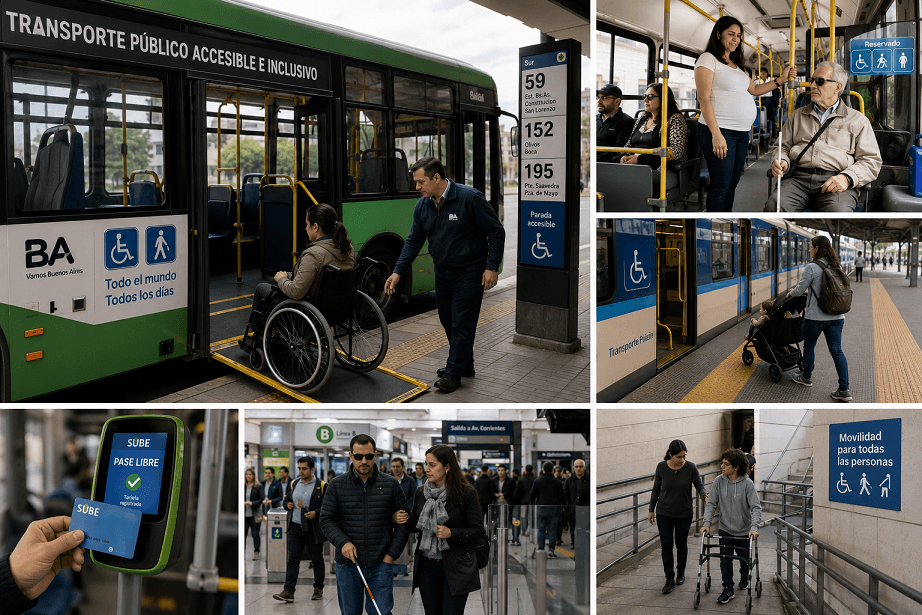
Digitalising urban mobility for cleaner, smarter and more inclusive cities
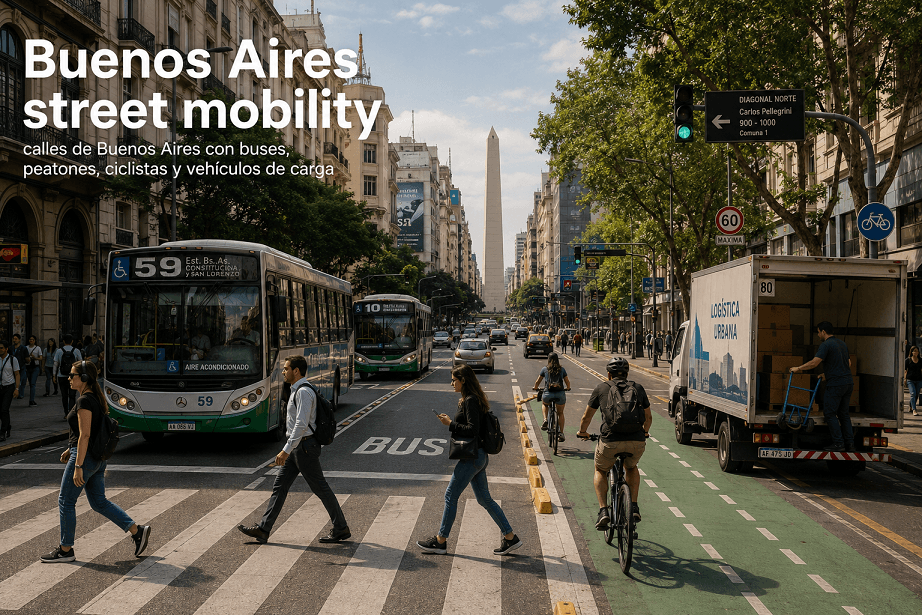
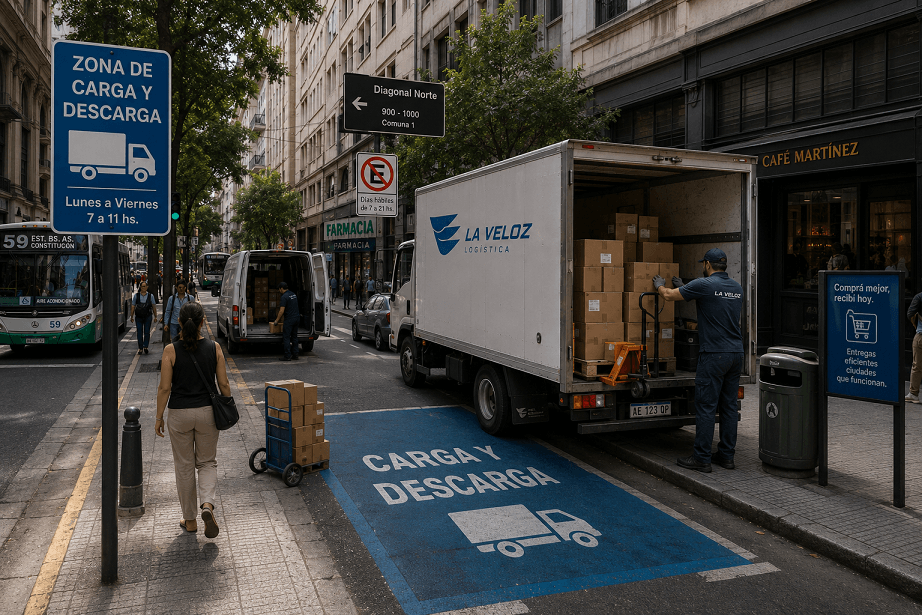
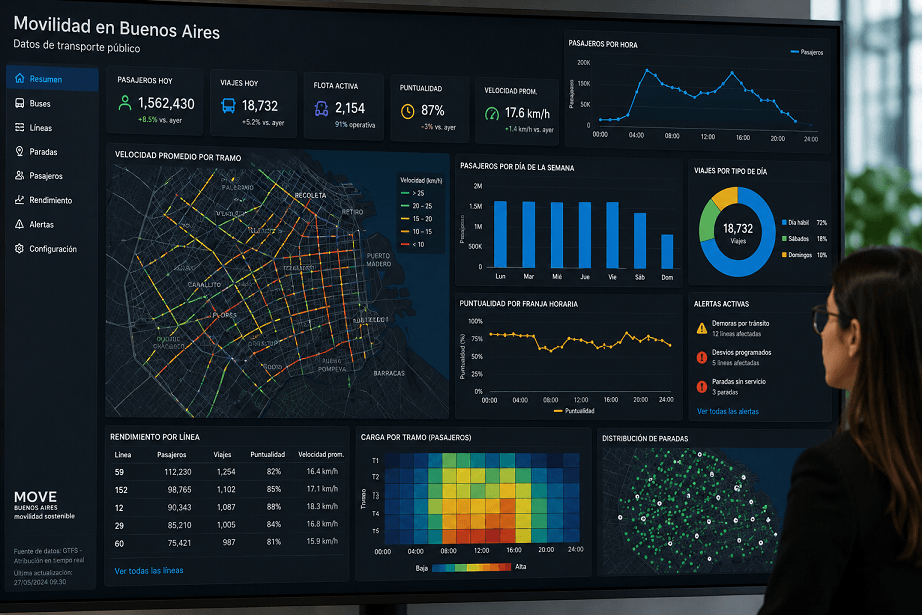
Through ACCESS, Argentina is advancing practical digital solutions that support low-carbon mobility, more efficient urban logistics and evidence-based transport planning. The project focuses on Buenos Aires, where new tools for freight routing, smart loading and unloading areas, and mobility data dashboards are being developed and tested with local and national partners.
A highly urbanised country accelerating clean mobility
Argentina has identified sustainable, low-carbon mobility as a key part of its climate and urban development agenda. Transport is a major source of greenhouse gas emissions, and decarbonising the sector is an important national priority. In this context, ACCESS supports innovative digital solutions that address inefficient urban logistics, fragmented mobility data, and the limited use of digital technologies in transport planning and operations. The work in Argentina is aligned with the country's Nationally Determined Contribution (NDC), its commitment to reach net-zero emissions by 2050, and local policy frameworks such as Buenos Aires' Climate Action Plan 2050 and Sustainable Mobility Plan 2030.
Using digitalisation to improve how people and goods move
ACCESS in Argentina is focused on using digitalisation to improve how people and goods move through cities. The national project combines pilot implementation, capacity strengthening, policy support, and regional knowledge exchange. Through this approach, ACCESS is helping generate evidence, test practical tools, and build the institutional and technical foundations needed to support more efficient, inclusive, and lower-emission urban mobility.
Developing, testing, and assessing digital solutions in Buenos Aires to improve urban logistics and strengthen evidence-based transport planning.
Working with public authorities, private logistics operators, academia and civil society to strengthen local technical and institutional capacity.
Generating data, methodologies and operational insights that can inform future transport regulations, incentives and planning processes.
Supporting scale-up within Buenos Aires and replication in other Argentine cities while contributing lessons to the ACCESS regional network.

Buenos Aires
Digital pilots for urban freight, smart loading zones and mobility data dashboards.
Coming soon
A new city will join the ACCESS Argentina pilots. Details will be announced soon.
Where Argentina stands today
ACCESS Argentina includes a gender-responsive Digitalisation Readiness Assessment of the transport sector to establish the country baseline for digital mobility, identify priority gaps and guide the action plan for digitalisation of transport. The assessment is intended to inform pilot design in Buenos Aires, national policy dialogue and capacity-building activities.
Emerging foundation
From DRA findings to policy implementation
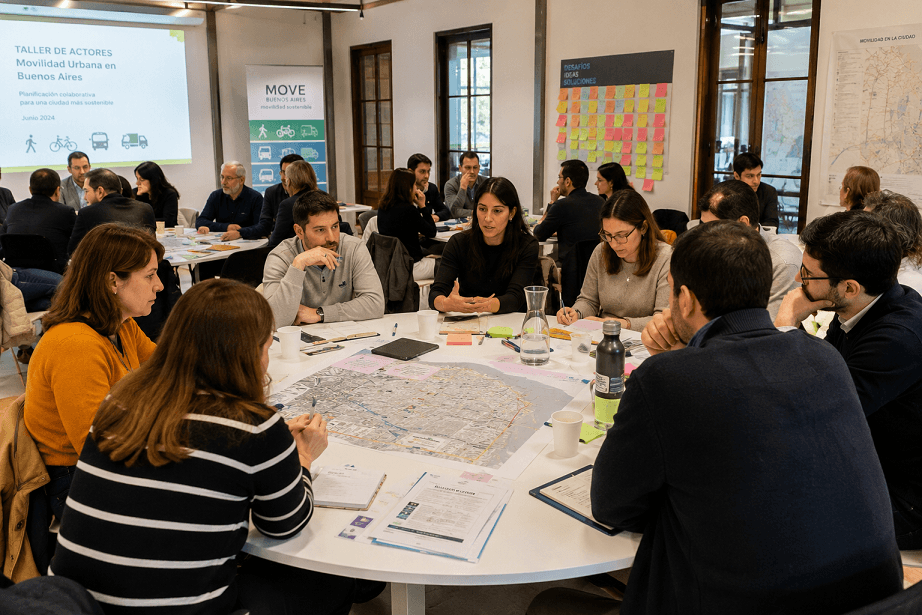
DRA findings and pilot learning will feed into national policy co-development for sustainable urban mobility planning, evidence-based public policy and inclusive digitalisation. Working groups and capacity-building activities will bring together national and sub-national institutions, public-sector actors, private-sector operators, academia and civil society to validate priorities, co-develop gender-responsive and inclusive solutions, and assess scale-up potential.
Baseline assessment of digital readiness
Multi-sector review and co-design
National and sub-national institutions
Gender-responsive and inclusive solutions
KPIs and scale-up potential assessed
National policy inputs and replication
Where ACCESS works in Argentina
Buenos Aires is the main implementation city for ACCESS in Argentina. The initiative aims to accelerate the digitalisation of urban mobility through three complementary pilots. Explore the city to see all projects in detail.
Active pilots
Buenos Aires
Digital pilots for urban freight, smart loading zones and mobility data — improving logistics efficiency, reducing GHG emissions and strengthening evidence-based transport policy.
Moving from definition to implementation
Important foundations for implementation are already in place. Functionalities have been advanced for both the dynamic routing tool and the blue-box reservation tool, including GPS integration and traffic-data features. Hospital Italiano has been confirmed as the first deployment zone for the smart loading pilot, with Express Logística confirmed as the main implementation partner.
Buenos Aires pilot definition
In progress
Pathway & scale-up strategy
Next
Parking strategy for loading zones
In progress
LEZ strategy (Climate Action Plan 2050)
Next
Urban logistics emissions study
Next
DRA report & national action plan
In progress
Funding synergies & working groups
Next
How ACCESS creates change in Argentina
ACCESS creates change by linking readiness assessment, stakeholder co-development, practical pilots and policy recommendations. The pathway begins with a gender-responsive DRA, moves through working groups and pilot design, tests digital solutions for freight, curb management and mobility data, and translates learning into policy frameworks, financing options and scale-up strategies.
Assess readiness
Co-develop priorities
Test pilots
Inform policy
Scale learning
ACCESS in action


Who makes ACCESS possible in Argentina
ACCESS in Argentina is delivered through a partnership between consortium partners, national ministries, the Government of the City of Buenos Aires, technical partners, private-sector logistics actors, academia and civil society organisations.
Government
Consortium partners
Technical & private sector
Consortium partners and their role in Argentina
Each consortium partner brings specific expertise to support pilot delivery, stakeholder engagement, capacity building and policy co-development in Argentina.

Institute
Overall project coordination, technical oversight of the DRA process and policy co-development support.
Working with the City of Buenos Aires on pilot implementation, stakeholder coordination and capacity building.

Technical support for the urban logistics pilots and knowledge exchange with the ACCESS regional network.

Leading the gender-responsive approach across all pilots and supporting inclusive mobility data analysis.
Take action
Whether you are a policymaker, city official, private-sector actor, researcher or civil society organisation, ACCESS Argentina offers practical entry points to engage with digital mobility tools, policy learning and inclusive low-carbon transport solutions.