📍 Medellín
Medellín
Testing vehicles side-by-side to cut emissions
The Aburrá Valley is running a side-by-side comparison of electric buses against diesel buses on the same routes to measure how much these types of vehicles impact public transport and last-mile delivery
Medellin at a glance
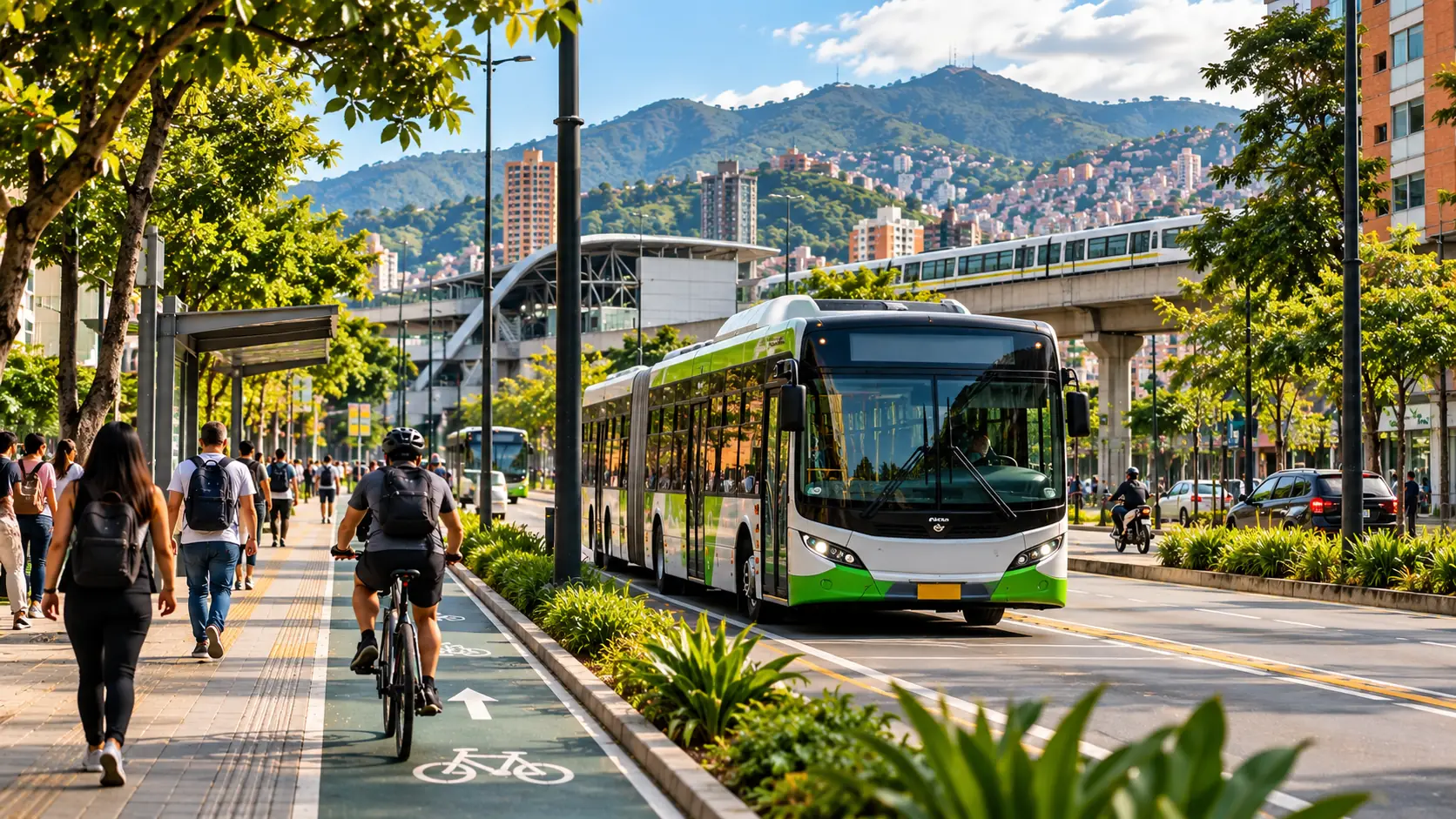
The Aburrá Valley already runs one of Latin America's most integrated transit systems. It has the EnCicla public bike-share programme (running since 2011) and the Área 24/7 app, which brings together real-time data from buses, Metro, cable cars and bike-share. Even so, road transport generated 3.5 million tonnes of CO₂ in 2022, with public transport buses responsible for roughly 368,000 tonnes of that. The region has already begun testing electric buses through; ACCESS is supporting the development of detailed operational evidence that testing has been missing.
Why Medellín?
A strong foundation for digital mobility
Most cities piloting bus electrification have to imagine what the comparison would look like. However, the Aburrá Valley already has some electric buses in commercial operation alongside its combustion fleet.
This pilot is motivated by emerging policy needs aimed at strengthening the region's air quality plan (PIGECA), reinforcing its Protected Urban Air Zones (ZUAP), and building the evidence base for further electrification investment. On the delivery side, the pilot responds to a fast-growing informal delivery workforce riding motorcycles and mopeds by testing whether electric bikes are a genuinely viable, lower-emission alternative
Explore the ACCESS pilots in Medellín
01
Aboutthe pilot
Bus Electrification and Sustainable Driving
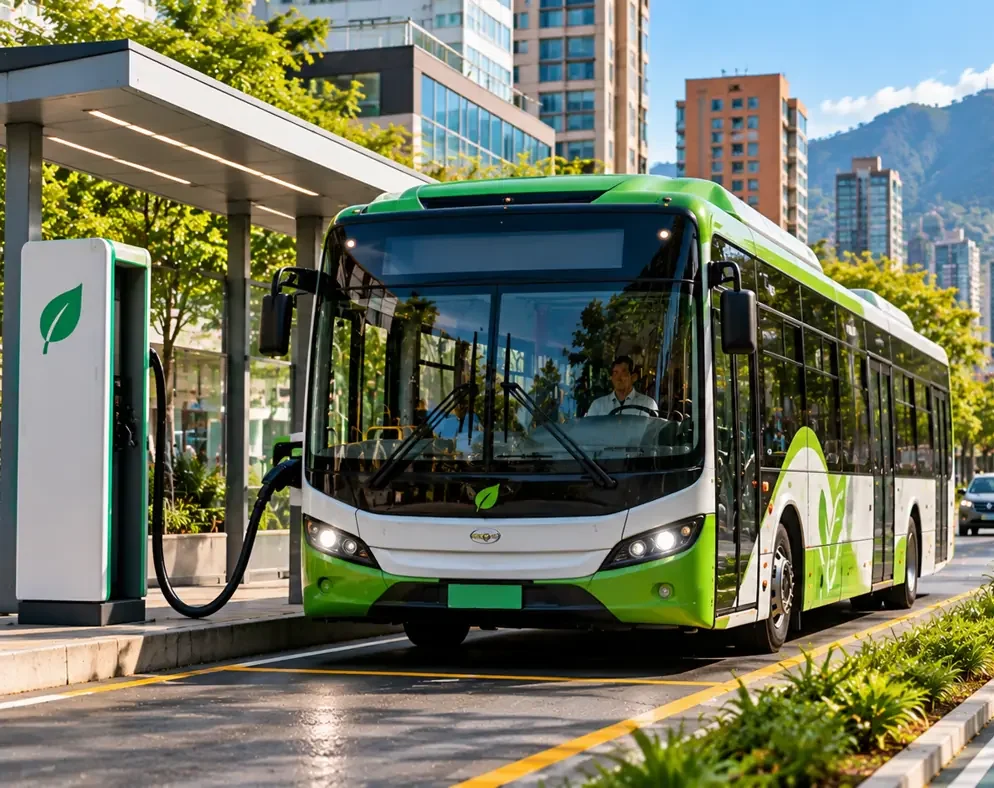
This pilot monitors ten buses, five run on combustion (four diesel, one compressed natural gas) and 5 are electric. Wherever possible, combustion and electric buses run the same routes under similar conditions, including one electric intermunicipal bus tracking a diesel bus between the Metro's Exposiciones station and José María Córdova International Airport. Activities in Medellín are focused on measuring the impact of electrification directly, rather than theoretically.
Alongside electrification, the pilot runs a sustainable driving programme. Once baseline driving patterns (acceleration, braking, speed) are characterised, drivers will receive personalised eco-driving training based on their own observed behaviour, then get re-monitored to measure what changed. All of the data in this programme will feed into a digital platform, letting operators simulate electrification scenarios on other routes and compare vehicle technologies directly.
02
At a glance
Challenge
Quantifying, with real operational data rather than estimating, how much switching to electric buses and improving driving behaviour impacts the transport system.
Solution
Side-by-side monitoring of combustion and electric buses on matched routes, paired with a personalised sustainable driving programme.
Technology
Telematics monitoring devices (supplied by Sonar Telematics) feeding into the ACCESS Mobility Data and Analytics Platform.
Avoid
Using the operational data the pilot generates to avoid unnecessary or underutilised bus trips.
Shift
Estimate the emissions and energy savings from shifting routes currently run by combustion buses onto electric buses.
Improve
Support logistics optimisation.
03
Expectedoutcomes
Environmental
Avoided CO₂ emissions from both electrification and sustainable driving, plus reductions in criteria pollutants (CO, HC, NOx and PM) attributable to electric buses.
Social
Women's sense of safety and comfort tracked across both bus technologies, alongside at least two women engaged directly as bus drivers within the pilot.
Economic & Operational
Comparison of costs, energy consumption and emissions between ICE and electric buses in the public transport system.
Digital & Innovation
A working route-electrification simulation module and a sustainable-driving analysis module.
Governance / Institutional Frameworks
Direct alignment with PIGECA, the ZUAP, and the region's Mobility Master Plan.
Where ACCESS is working in Medellín
This map helps visitors explore where ACCESS is working and why each location matters. Toggle layers to see logistics activity, public transport corridors, curbside management areas and data-analysis geographies.
Interactive overview of ACCESS pilot and mobility focus areas.
What ACCESS will measure
What ACCESS will measure
Between the two pilots, the Aburrá Valley's monitoring framework covers environmental, energy, financial, social/gender, user-perception and technological-development indicators. On the bus side, CO₂ and pollutant emissions, comparative range and energy efficiency between diesel and electric buses, Total Cost of Ownership, and rider comfort perceptions for each technology. All of this information will support the development of national and subnational policy shifts in Colombia.
Gender and inclusion
Gender and inclusion
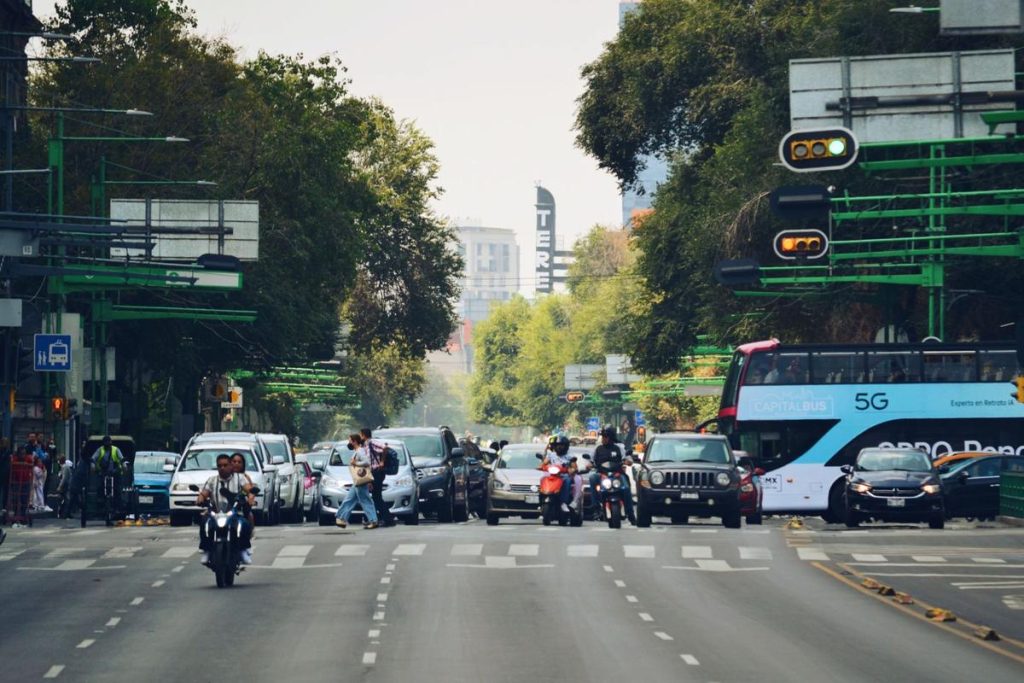
Both bus driving and delivery work remain heavily male-dominated in the Aburrá Valley. This pilot includes tailored actions shaped together with local partners. The ACCESS teams are following the Gender-Responsive and Inclusive Guidelines on Safeguards for the ACCESS project, aligning activities with Colombia’s Gender Action Plan, and promoting continuous learning and knowledge exchange. These activities include:
- A gender-disaggregated diagnostic across partner companies, covering employment share, training, working conditions and access to digital tools.
- A woman formally leading gender integration across training and operations.
- At least two women engaged as bus drivers.
From pilot to scale
Lessons beyond Medellín
The Aburrá Valley pilots are designed to generate lessons for other cities in Colombia and Latin America. ACCESS will use the results from Medellín to support replication, capacity building and policy recommendations on transport digitalisation, sustainable logistics and inclusive mobility planning.
Download and explore
Explore resources, guidance and learning materials from the Medellin pilots to support sustainable logistics, inclusive mobility and evidence-based transport planning.
Key statistics and insights from Medellin
Download city factsheetSummaries of the Medellin pilot projects.
View pilot briefsEvaluation and results from pilot implementation.
View monitoring reportsResources supporting inclusive and gender-responsive mobility.
View gender resourcesGuidelines for responsible data management and digitalisation.
View data guidanceTraining materials, tools and lessons from ACCESS.
Explore learning resourcesPractical steps for scaling and replicating pilot projects.
View replication checklistReady to engage?
Use the Medellin pilots to inform action in your city.